
A continent-wide audit of the bioscience research groups that already depend on synchrotron-quality light — mapped, group by group, to show the existing strength and future demand for structural biology and the biosciences across Africa.
The MapBioscience research groups across Africa
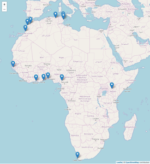
This audit is presented as an interactive map of bioscience and structural-biology research groups working in Africa. Each marker on the map represents a research group, and clicking a marker reveals more detail about the team and its work. Because several groups are clustered in the same cities, some markers sit directly on top of others — zoom in on a city to separate the markers and see every group it contains.
Add your research group to the map
The audit is a living record and depends on the community to keep it complete. If your group works in the biosciences or structural biology anywhere on the continent and is not yet shown, you are warmly invited to have it added. Requests to be included can be sent to Simon Connell at the University of Johannesburg.
Why It MattersA light source for African biosciences
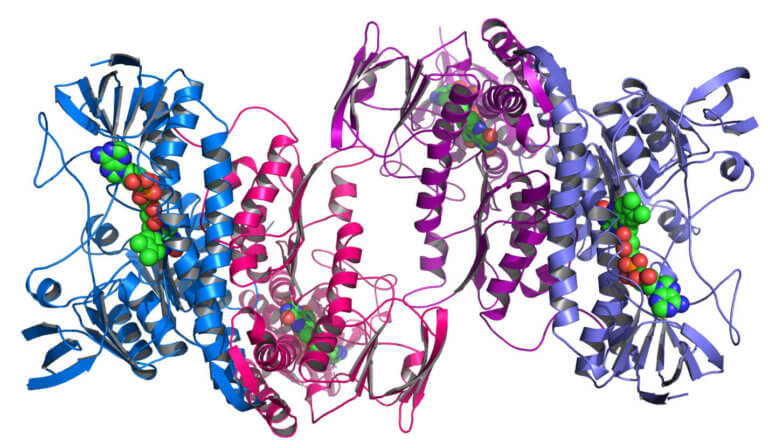
Structural biology and the wider biosciences are among the fields that gain the most from a synchrotron light source. The bright, tunable X-rays a synchrotron produces let researchers resolve the three-dimensional architecture of proteins, enzymes, viruses and other biological molecules in atomic detail — knowledge that underpins drug discovery, vaccine design, the study of disease, agriculture and biotechnology. Today African scientists must travel abroad to access this capability. An African Light Source would bring it home, anchoring the research groups mapped in this audit and giving the next generation the tools to lead.
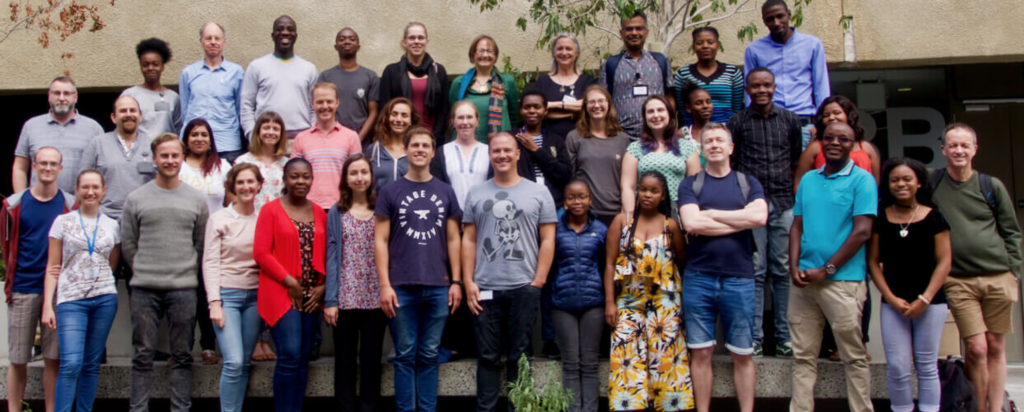
Biophysics and structural biology are mainstays of synchrotron science worldwide, and African researchers are already active contributors to the field. This audit gathers those groups in one place so that the breadth of existing activity — and the scale of demand that an African Light Source would meet — can be seen at a glance.
Africa already has the people and the questions. A light source would give its biosciences the eyes.