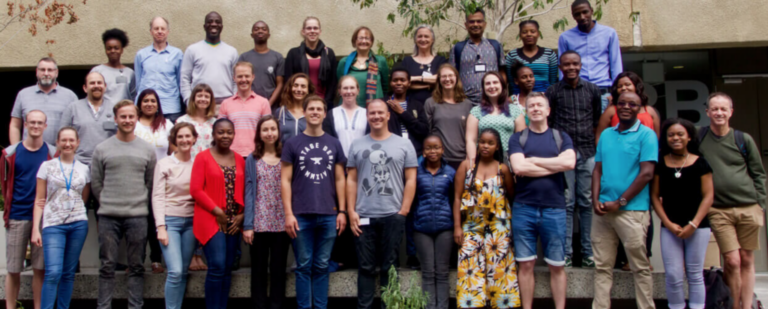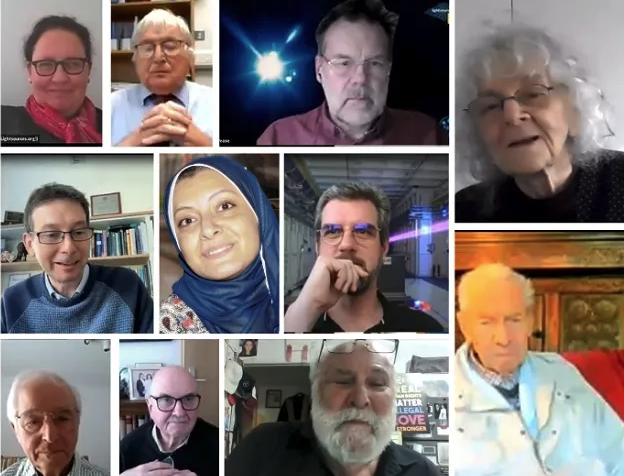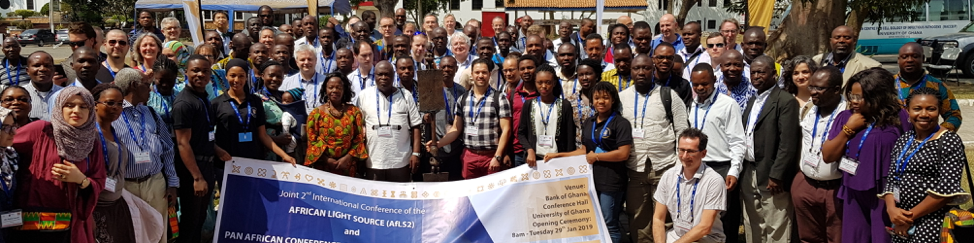
The second African Light Source Conference, AfLS2, took place in Accra, Ghana from 28 January to 3 February 2019, held in parallel with the second Pan African Conference on Crystallography, PCCr2. The gathering showcased African science conducted at international light sources, assessed the evolving capacity of light sources to support research, and advanced the strategic vision and implementation programme for an African Light Source.
- Conference
- AfLS2 — Second African Light Source Conference
- Held with
- PCCr2 — Second Pan African Conference on Crystallography
- Location
- Accra, Ghana
- Dates
- 28 January – 3 February 2019

PurposeShowcasing African science at the light source frontier
The conference was an opportunity to showcase African science conducted at international light sources, to assess the evolving capacity of light sources to support research, and to discuss the strategic vision and implementation programme for an African Light Source. Talks presented during the meeting were uploaded to the conference programme, where delegates could explore the full timetable of sessions.
The RoadmapBuilding human capacity and partnerships
The African Light Source Project, together with its current operational programme and its vision and implementation plan, is encapsulated in the project Roadmap, described in the paper The African Light Source Project. Most of the previous and current effort has focussed on activities that develop human capacity — including visits, schools, workshops and internships; on developing international collaborations, linkages and partnerships related to Advanced Light Sources (AdLSs); on promoting mobility and access to currently operating AdLSs; on developing local feeder infrastructural capacity to support access to AdLSs; on broadening the user base; on involving industry; and on building the formal structures and procedures that support the Roadmap.
A leap forwardPan-African and political momentum
The AfLS2 event represented a great leap forward, now also developing the Pan-African and political aspects of the Roadmap. The Ghanaian government came out strongly in support of the project, as did the African Academy of Sciences, leading to two additional approaches — to the African Union and to African governments more generally. These seek to establish the Pan-African political and scientific prioritization of the African Light Source.
The progress along the Roadmap, and the case for the AfLS, is becoming ever more compelling.
StrategyThree kinds of consortia
Three kinds of consortia are being established to drive access, funding and infrastructure across the continent.
Distributed multi-national consortia
Multi-national consortia formed to jointly access international synchrotrons, pooling demand across African nations to secure beamtime abroad.
Regional consortia for funding and infrastructure
Multi-national regional consortia that jointly apply for large-scale funds and assemble regional resources to develop feeder, training and research infrastructure — growing the user base.
Regional consortia for African beamlines
Multi-national regional consortia for dedicated African beamlines, including tomography for palaeontology, crystallography for drug discovery, and materials science for the environment, energy and minerals beneficiation.
CoordinationMobility, access and the road ahead
Funding applications are being coordinated in a multi-national way to support mobility and access for research visits, longer-term access for training visits, and schools, workshops and specialist user meetings. The project will continue to make high-level inputs into strategically important international meetings.
In the near term, the groundwork is being laid for the preparation of the Conceptual Design Report, which will examine the detailed scientific, business and technical issues — establishing the framework that answers the questions of what, why, how and when. The questions of where and who funds come much later, after the process has matured considerably. What is important for now is the progress along the Roadmap, and the case for the AfLS is becoming ever more compelling.