South Africa is home to some excellent researchers across the many branches of biophysics. Yet despite ambitious national strategy documents, the country remains woefully under-invested in biophysics and structural biology.
In an op-ed published by the Daily Maverick, Tjaart Kruger, Trevor Sewell and Lawrence Norris make the case that the gap between South Africa’s stated scientific ambitions and the resources actually committed to this field is holding back a discipline of fundamental national importance.
The authors point to the mismatch with the lofty documents put out by the Department of Science and Technology — notably the Bioeconomy Strategy and the South African Research Infrastructure Roadmap (SARIR). These strategies set out a clear vision for a knowledge-driven bioeconomy, but the investment in the underpinning experimental infrastructure has not followed at the scale that vision demands.
South Africa has some excellent researchers in various branches of biophysics — but it remains woefully under-invested in biophysics and structural biology.
THE STAKESWhy structural biology needs synchrotron light
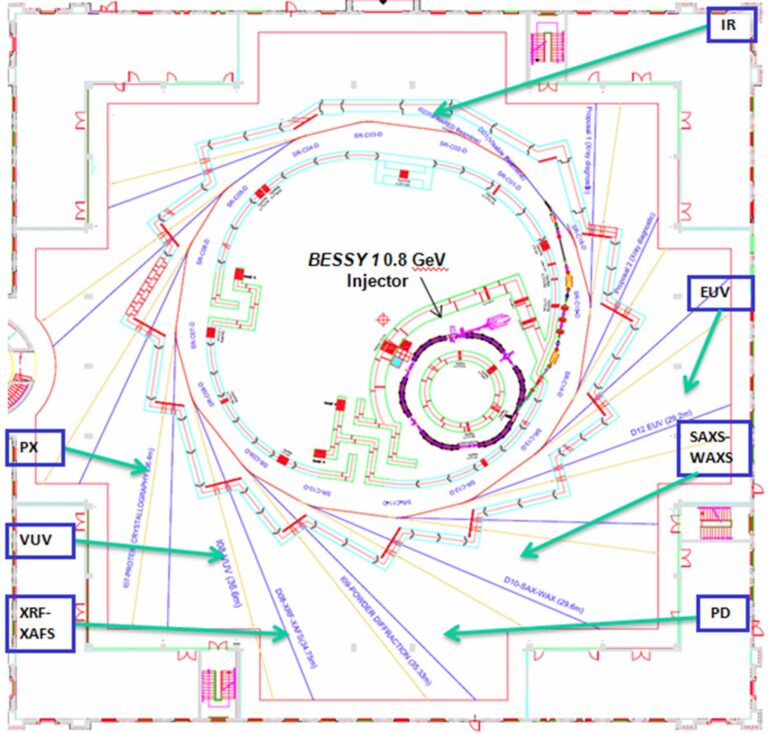
Structural biology seeks to determine the three-dimensional shapes of the molecules of life — proteins, nucleic acids and the complexes they form. Knowing these shapes is the foundation for understanding disease, designing drugs and engineering enzymes. The most powerful experimental route to these structures is macromolecular crystallography, which depends on the intense, finely tunable X-ray beams that only a synchrotron light source can deliver.
Without ready access to this kind of infrastructure, South African and African researchers must ship their samples abroad or compete for limited beamtime far from home — a barrier that the African Light Source initiative aims to remove by building synchrotron capability on the continent.

The call to action
The authors argue that closing the gap between strategy and investment — properly resourcing biophysics and structural biology, and the synchrotron-based infrastructure they rely on — is essential if South Africa is to realise the bioeconomy it has set out to build.