A two-year Post-Doctoral position for an African Trainee Accelerator Scientist (TAS) is open at the University of Johannesburg, created to build the home-grown accelerator expertise needed to realise the first African Light Source.
AUPP-RESTART: Trainee Accelerator Scientist (TAS)
Hosted at the University of Johannesburg (UJ) and funded within the Africa-UK Physics Partnership (AUPP) Collaborative Projects funding opportunity, REsilience through Synchrotron Techniques for African Research & Technology (RESTART).
- Position
- Post-Doctoral Trainee Accelerator Scientist (TAS)
- Host institution
- University of Johannesburg (UJ)
- Funding
- Africa-UK Physics Partnership (AUPP) — RESTART project
- Duration
- Two years
- Closing date
- 30 April 2026
- Enquiries
- Prof. S. H. Connell — shconnell@uj.ac.za
The RoleBuilding African accelerator expertise
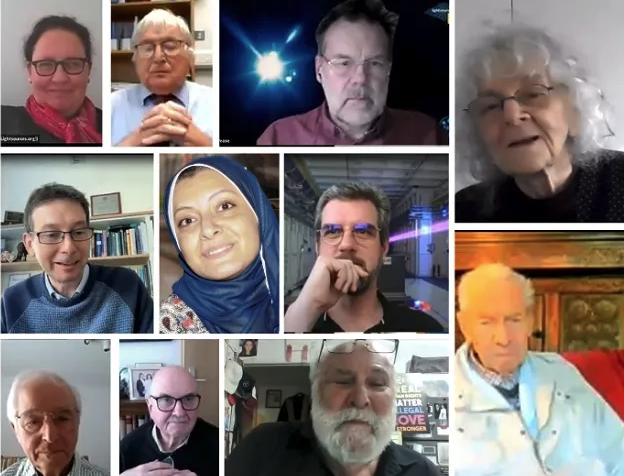
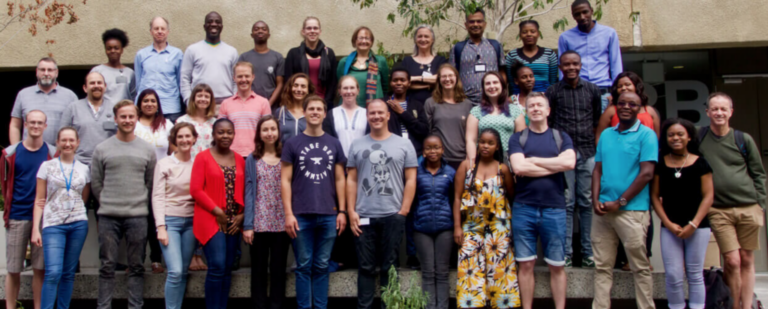
The TAS is expected to be part of a cohort of emerging scientists who will play an important role in the African Light Source (AfLS). The post is designed to boost African skills towards the realisation of the first African Light Source.
The TAS will be tasked with learning all aspects of an advanced light source — technical design, injector, storage ring, beamlines, and infrastructure safety management and maintenance. The TAS will compile a report of their learning activities and will provide valuable input into the technical design of the future African light source.
A cohort of emerging African scientists, trained today, who will lead the accelerator at the heart of tomorrow’s African Light Source.
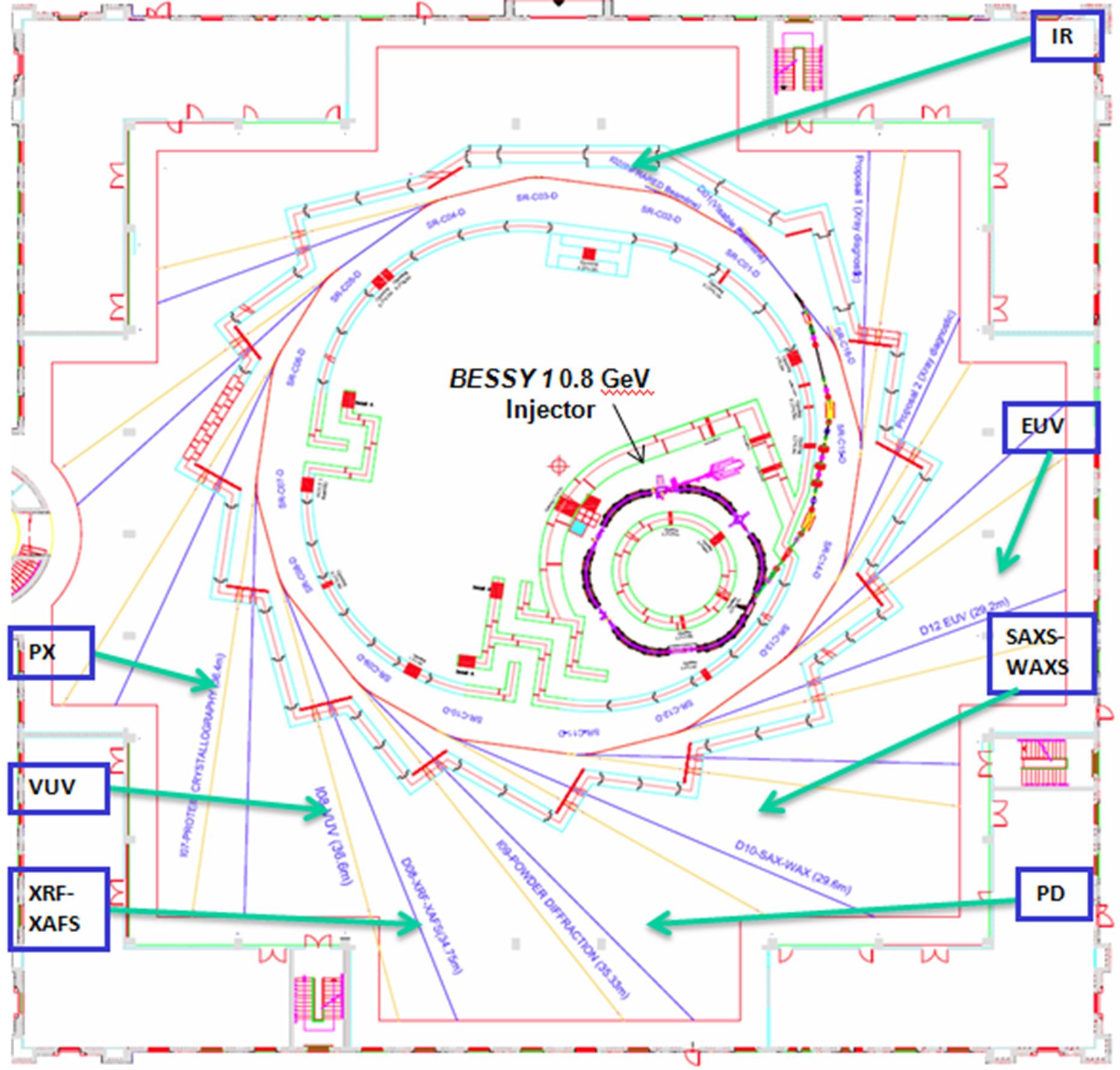
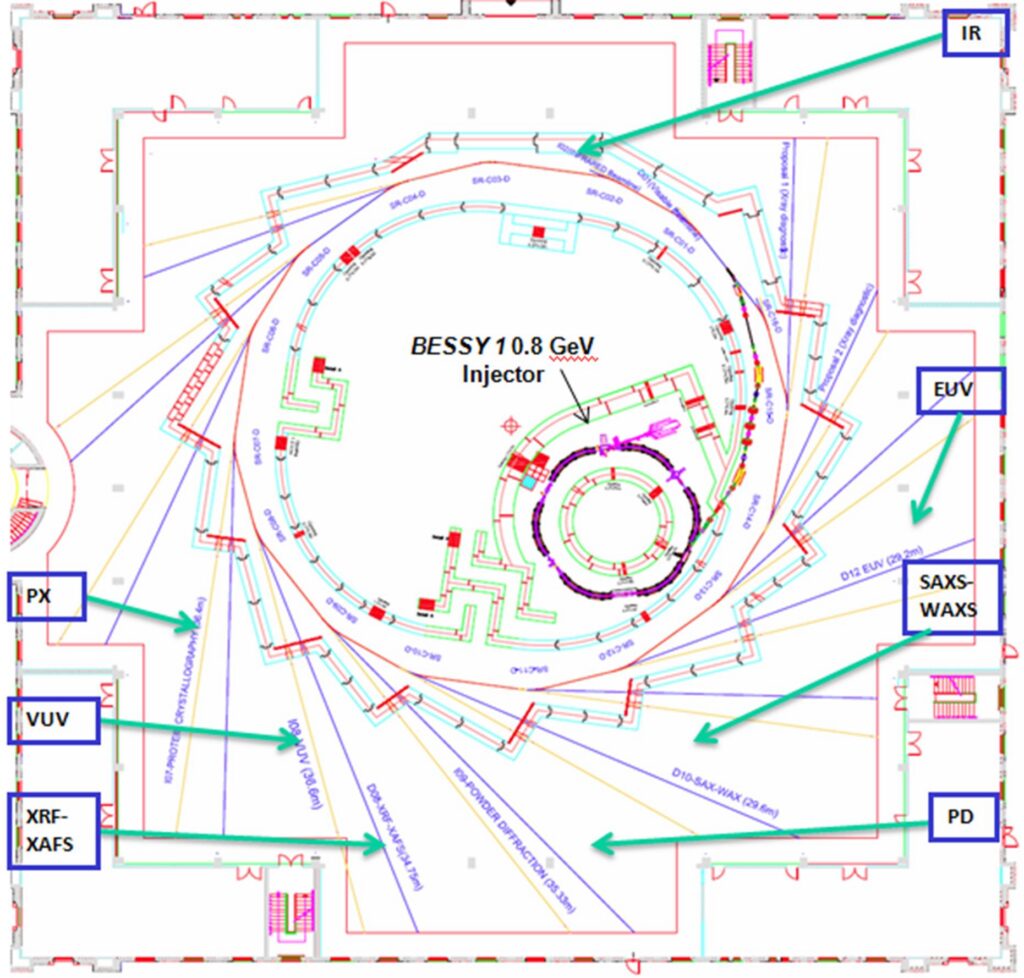
An advanced light source is a chain of accelerators feeding a circular storage ring. The TAS will work across the whole chain — from the injection system that brings electrons up to energy, to the storage ring that holds them in orbit, to the beamlines that deliver synchrotron light to experiments.
Mastering how these systems are designed, operated, maintained and kept safe is the core of the training programme.
How It WorksAnatomy of a light source
TrainingJohannesburg, Grenoble and beyond
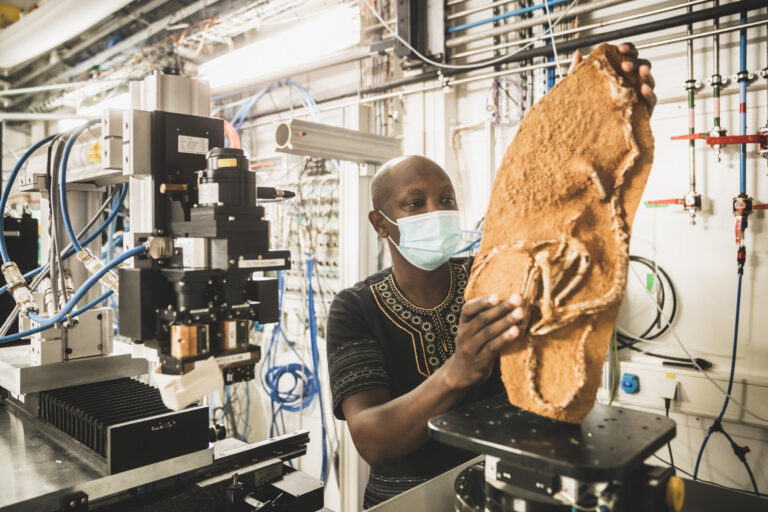
While in Johannesburg, the TAS will be supervised by Prof. Simon Connell of UJ. The TAS will travel to the European Synchrotron Radiation Facility (ESRF) to undergo hands-on training in synchrotron accelerator science and to participate, where feasible, in the operation of the facility.
TAS visits to the ESRF will be coordinated with the dark period at the Diamond Light Source (DLS) to allow additional visits there. This timing lets the TAS experience the upgrade process and its associated logistics first-hand. During the ESRF and DLS periods the TAS will be supervised by Dr Edward Mitchell of the ESRF.
SupervisionMentors

Prof. Simon Connell
University of Johannesburg — host supervisor
Supervises the TAS during the Johannesburg-based phase of the programme.

Dr Edward Mitchell
European Synchrotron Radiation Facility (ESRF) — training supervisor
Supervises the TAS during the hands-on training periods at the ESRF and Diamond Light Source.
RequirementsQualification and aptitudes
Qualification
PhD in Engineering or Physics.
The ideal candidate will bring the following experience and knowledge:
- An aptitude for instrumentation.
- An aptitude for readout systems and electronics.
- An aptitude for computer coding.
TermsConditions of appointment
The position offers a challenging career and a competitive remuneration package commensurate with qualifications and experience. The position duration is two years, and all parties are committed to employment equity.
As the position relates to the AfLS, the applicant should be an African, or be prepared to reside in Africa to support the AfLS. The successful candidate should be ready to proceed promptly.
How to ApplySubmitting your application
Applicants should submit a comprehensive CV, including a publication list. Applications should be accompanied by a letter of motivation indicating the applicant’s suitability for the position. The names and contact details of at least three referees should be provided.
Apply by 30 April 2026
Applications are made by e-mail to Prof. S. H. Connell at shconnell@uj.ac.za, who can also answer any enquiries about the position.