
Africa remains the only continent without a synchrotron facility, leaving its scientists at a severe disadvantage in accessing the cutting-edge research infrastructure that drives modern discovery. This concept note sets out a pragmatic, high-impact path to change that — expanding African access to synchrotron light to unlock scientific innovation and sustainable development across the continent.
ContextWhy synchrotron light matters for Africa
A synchrotron is a type of particle accelerator that generates extremely bright X-rays, allowing scientists to analyse materials at the atomic and molecular levels with unparalleled precision. This powerful technology is used across multiple scientific fields, enabling breakthroughs in medicine, materials science, energy and agriculture.
Synchrotrons have been instrumental in characterising COVID-19, developing vaccines and advancing renewable energy technologies. Yet while more than 50 synchrotron facilities exist globally, African researchers face severe barriers to accessing them due to limited funding, travel constraints and highly competitive time allocations at foreign facilities. This limits Africa’s ability to develop homegrown solutions for pressing challenges, from climate resilience to food security.
Building a new synchrotron in Africa is an ambitious yet critical goal. However, such an undertaking requires long-term commitment and significant investment, often exceeding $500 million USD and spanning over a decade for design, construction and operational readiness. While such a project remains an aspiration, an immediate, high-impact solution is within reach.
The ProposalA pragmatic approach: an African beamline at SESAME
To accelerate access to synchrotron technology while working toward the long-term goal of an African synchrotron facility based in Africa, African Member States can pursue a cost-effective and timely alternative: establishing a dedicated African beamline at SESAME (Synchrotron-Light for Experimental Science and Applications in the Middle East).
A beamline at SESAME would cost roughly $6–10 million and could be operational in 3–5 years — a fraction of the cost and time of a full new facility.
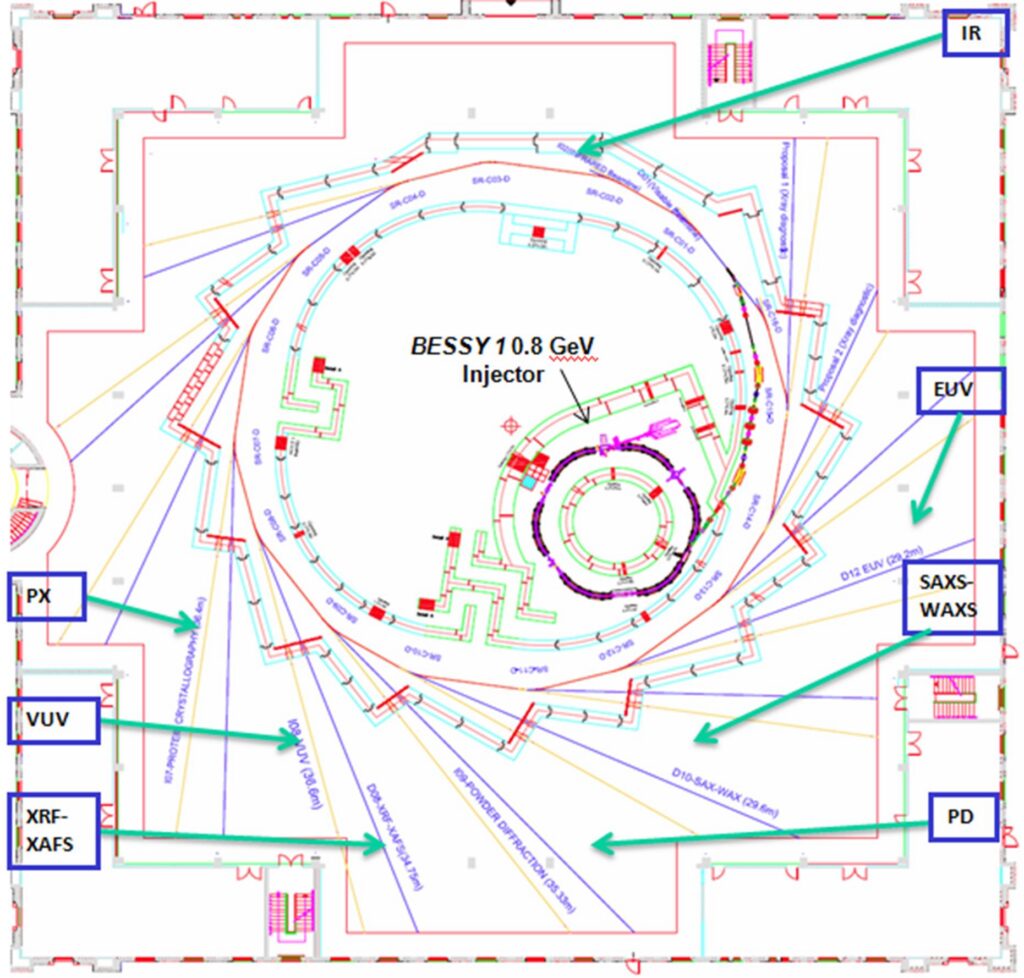
Why SESAME?
SESAME is a world-class synchrotron with beamlines already in operation and space available for additional ones. As a host for an African-dedicated beamline, it offers far faster implementation than building a new facility from the ground up — together with a proven model of training and international cooperation.
Geographic and political accessibility
Located in Jordan, SESAME is the closest synchrotron to Africa, making it easier and more affordable for African researchers to travel and conduct experiments.
A proven model of international cooperation
SESAME was established as a UNESCO initiative, bringing together countries from the Middle East and beyond despite political differences. It serves as a diplomatic and scientific success story, demonstrating that regional collaboration in synchrotron science is achievable.
Existing infrastructure and expansion capacity
SESAME is a world-class synchrotron with beamlines already in operation and space available for additional beamlines. This makes it an ideal host for an African-dedicated beamline, ensuring faster implementation compared to building a new facility.
Cost-effective and faster deployment
Constructing a beamline at SESAME would cost approximately $6–10 million USD — a fraction of the $500 million USD required for a full synchrotron facility — and could be operational in 3–5 years.
Capacity building for African scientists
SESAME already has established training programmes and would provide African researchers with hands-on experience in beamline operation and data analysis. This knowledge transfer is crucial for building African expertise in synchrotron science.
Two paths, one goal
A dedicated SESAME beamline is the immediate, affordable step that delivers synchrotron access and trains African scientists now — while the continent continues to work toward the long-term aspiration of a fully African synchrotron facility built in Africa.
Call to ActionA call for collective action
Establishing an African beamline requires political commitment and financial backing from African Member States. This initiative aligns with Agenda 2063, the African Union’s Science, Technology and Innovation Strategy for Africa (STISA-2024), and the UN Sustainable Development Goals (SDGs).
How Member States can support this initiative
- Political endorsement
- Formally support the initiative through regional organisations such as the African Union and UNESCO.
- Financial contributions
- A coordinated, multi-country funding approach can pool resources to support the beamline’s construction and operation.
- Scientific collaboration
- Engage national research institutions, universities and industry to ensure widespread utilisation of the facility.
- Capacity development
- Invest in training programmes to develop African expertise in synchrotron science and its applications.
Next StepsAdvancing Africa’s role in synchrotron science
UNESCO stands ready to support Member States in this endeavour. The next steps include:
- Formalising African Member States’ endorsement of SESAME as the host synchrotron.
- Developing a financial roadmap for joint investment by Member States.
- Launching an African Synchrotron Users Network to connect researchers and identify priority research areas.
- Establishing a governance framework to ensure equitable access and long-term sustainability of the beamline.
By joining forces, African nations can secure their researchers the tools they need to drive discovery — and Africa’s rightful place in the global scientific landscape.
This initiative represents a transformational leap for African science and innovation. By joining forces, African nations can ensure that their researchers have the tools they need to drive scientific discovery, strengthen industrial innovation and develop local solutions to global challenges — securing Africa’s rightful place in the global scientific landscape.
About this document
This concept note — Africa Light Source – SESAME, prepared for the UNESCO Science Sector — presents the rationale, the pragmatic SESAME beamline proposal and the roadmap for collective African action toward expanded synchrotron access.